
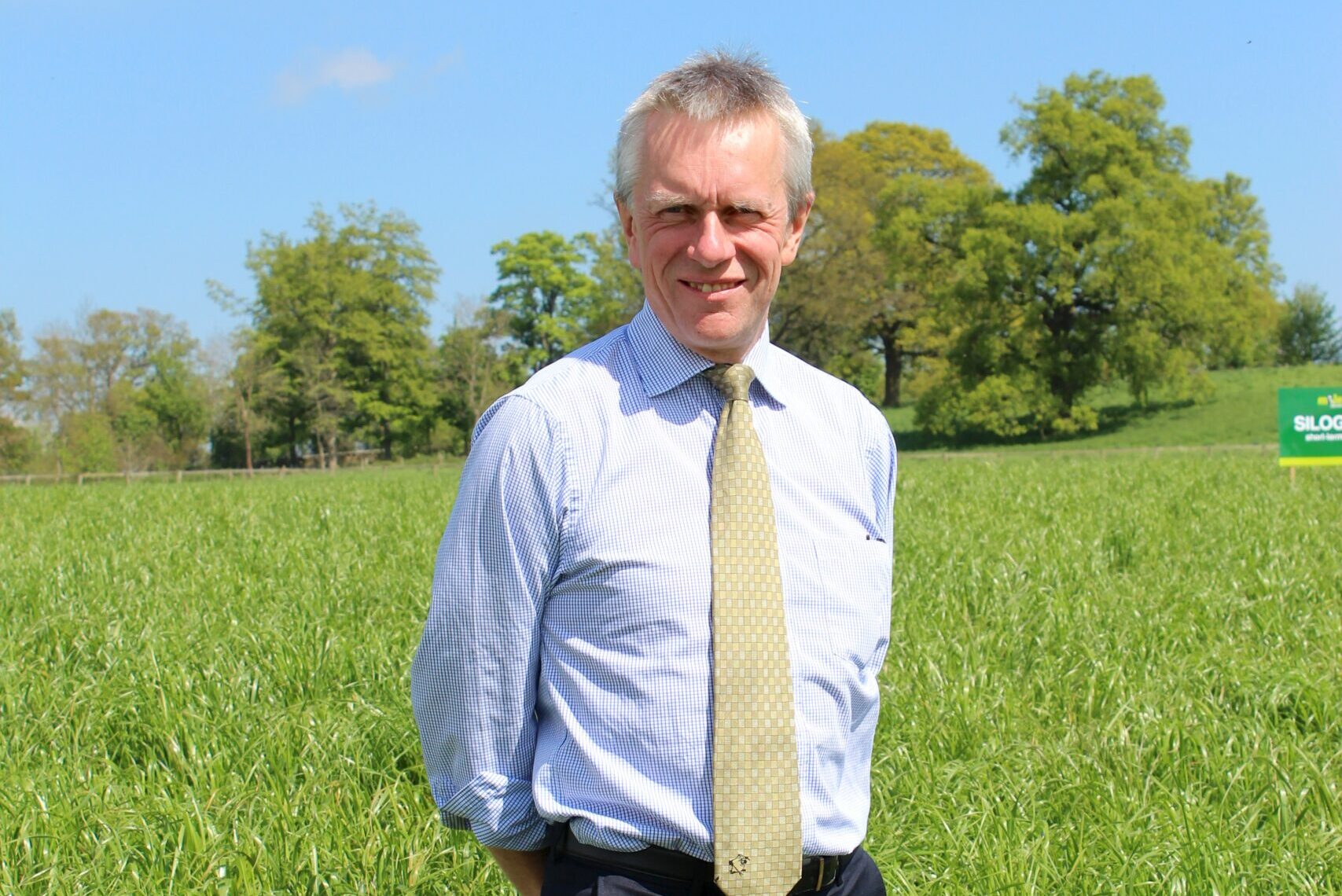
Milk processors, led by Dairy UK, may change their feed purchasing policies in early January. So farmers should check their buyers’ requirements now to ensure compliance and a smooth transition. “The ability to include certain materials may change under buyers’ contracts, so farmers should review current diets and check with suppliers that a suitable choice of new feed inputs is available,” explains Dr Chris Bartram, head of nutrition at Mole Valley Feed Solutions.
“The EU Deforestation Regulation (EUDR) comes into effect from 30 December 2026,” he adds. “Although the UK hasn’t yet adopted the regulation, Dairy UK has made it clear that the industry should commit to similar principles from that date. It is likely to be adopted into UK law in due course, but customer requirements are the key driver in this market.”
The regulation means that certain feed materials imported to the EU must be deforestation free, effectively stopping sales of soya, palm kernel and palm oil if they are derived from deforested areas.
“We have been in communication with the major milk processors and Dairy UK to understand their positions and ensure that we can supply livestock farmers with feed that meets their requirements this winter,” says Dr Bartram. “Mole Valley Farmers was the first business in the UK to declare the carbon footprint of all manufactured conventional compounds and blends on the label using the independent Global Feed LCA Institute (GFLI) database. We continue to lead the way in sustainability and are preparing to be ‘EUDR ready’, ensuring our feeds meet the specific requirements of any milk processor in the UK.”
All products are formulated to Mole Valley’s precision nutrition specifications, delivering consistent cow performance whether the milk contract prioritises milk volume, constituents, or both. Farmers can choose from a range of options across compounds, blends and alternative feeds – whether for beef, dairy or sheep diets.
“Specifically, the new Impact range excludes all soy and palm products, while the new Evolution range utilises responsibly sourced North American soy,” notes Dr Bartram. “We purchase Round Table on Responsible Soy (RTRS) and Round Table of Sustainable Palm Oil (RSPO) credits to cover all soy and palm materials used in compound feed and blends.
“And we’re developing the AIC Sustainable Commodities Scheme (ASCS) module two across the business. This provides evidence that traceability systems are in place for soy materials from low risk deforestation areas, ensuring segregation from source to customer. We are about to be audited for this and are likely to be one of the first in the industry to achieve it.”
Mole Valley is undertaking further research and innovation across its feed and forage teams to explore just “how low we can go” on the carbon footprint of a diet, he adds. “We have a new collaboration with the Farm Carbon Toolkit to measure changes in practice, and are committed to minimising the carbon footprint of rations without compromising performance.”
Latest work suggests that the carbon footprint of many dairy diets could be halved by using new products in forage and low carbon options like moist feeds from food industry by-products. “It is anticipated that this knowledge will help to increase farmers’ milk prices going forward in many situations.”
- For more information visit moleonline.com.