

British farmers have been told that, from March 2028, their regulations will be written in Brussels.
The new Sanitary and Phytosanitary agreement with the EU is far more than a trade deal – it fundamentally changes the legislative and policy environment in which the UK’s food producers operate. And it’s not good news for farmers, because all future policy will be created by politicians in Brussels, with the UK having no seat at the decision-making table.
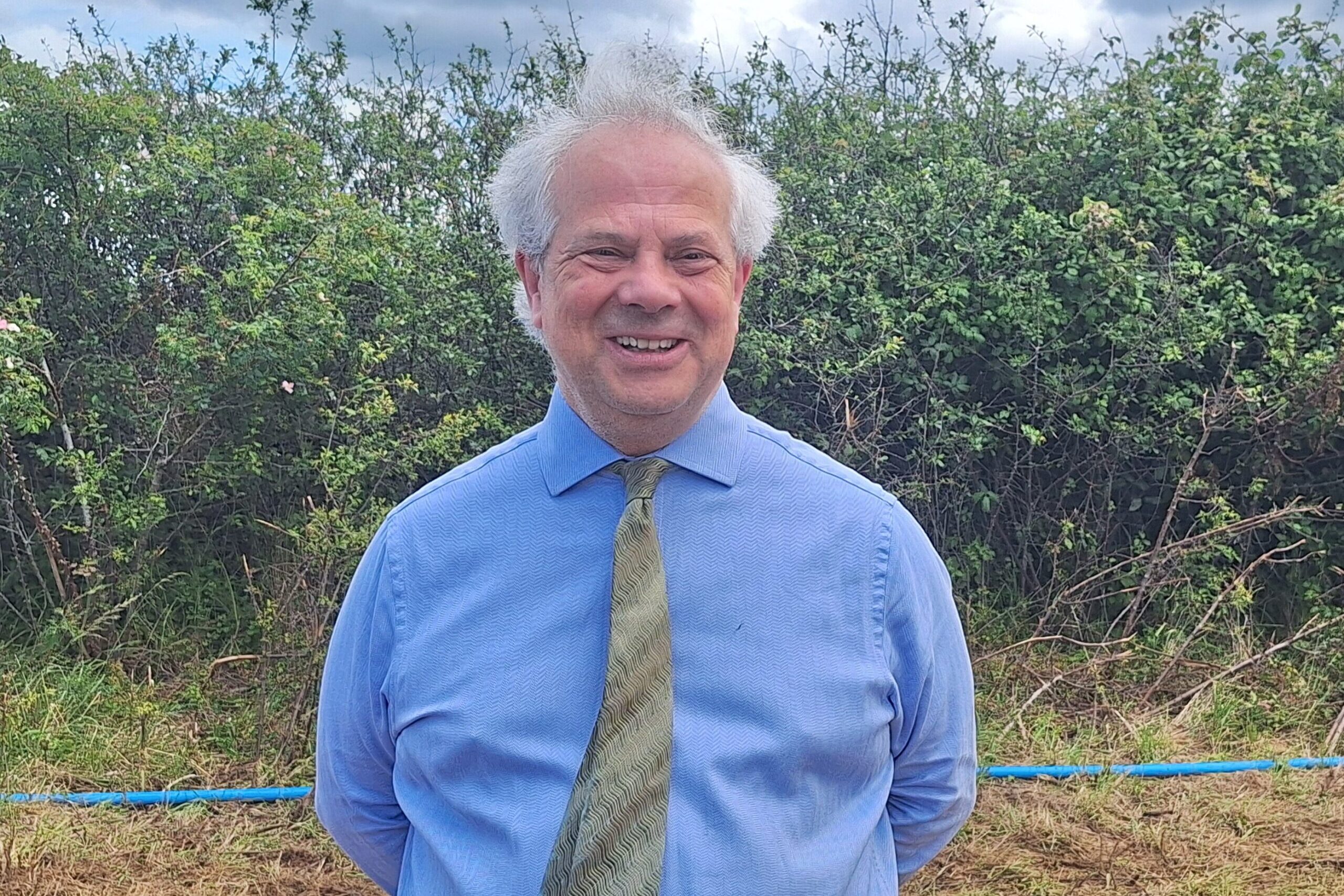
“The Government presents this as a trade deal,” says Jeremy Moody, secretary and adviser to the CAAV. “But it is actually transferring regulation of the food chain to Brussels, covering everything from animal welfare and transport to crop protection products, processing and food labelling. And that is a radical change.”
This is not just about produce that is to be exported to the EU – all food produced in the UK, whether for domestic consumption or export – must comply. This means that policies which have previously diverged – for example over pesticides, gene editing, or livestock transport – now have to come back in line with the EU’s present rules and as they change in unknown ways in the future.
“For example, with our maritime climate, we have a higher tolerance on mycotoxin levels in oats, and it will be hard to comply with rules set for a drier continental climate,” explains Mr Moody. “When we move to the new EU rules on gene editing, they will be more restrictive.”
On a positive note, the agreement will make trade with the EU and Northern Ireland easier, removing much of the time-consuming paperwork and certification. “We’ve had particular difficulties in moving breeding rams, seed potatoes, and used agricultural machinery to Northern Ireland – this will answer much of that.
“Small and mixed consignments have been particularly burdened, sometimes with delays that see entire lorry loads of seafood rot. But in the wider scheme of things, the cost benefit is relatively insignificant – primary producers can expect to get little benefit.”
The hope is that the UK will grow its exports into the EU, although it is largely a stagnant market, notes Mr Moody. “If we can build volumes, that may support domestic trade, but it probably doesn’t achieve better prices.”
On the other side, the Government clearly hopes that EU imports will reduce prices in the shops, although the UK’s more open borders may make this unlikely, he adds. “But it will make it more difficult to import food from outside the EU. So specialist producers of, for example, high value vegetables and salads, who also have production outside the EU to maintain continuity, may find their choices more constrained.”
Fortunately, given the tight timescale for compliance by March 2028, there are some transition provisions, avoiding some of the cliff edge from being legal in February and illegal in March. “If goods are already on the market by March 1 in Great Britain, they can continue to be sold in Great Britain, but not in the EU,” says Mr Moody. “Pesticides benefit from transition periods of between nine and 21 months.”
But future legislation is likely to be increasingly restrictive, given the EU’s precautionary approach. And it could leave the UK’s TB eradication policy – which is based on vaccinating cattle – entirely redundant, as selling meat from TB-vaccinated cattle is illegal under EU rules.
While UK representatives will be able to sit as observers on committees considering potential legislative changes, the EU is not bound to consider their opinions, and the UK will not be part of the political process of making EU laws and will have no vote. Management fees will be paid to, for example, the European Food Safety Authority, and the UK’s own agencies could become more about delivery than decision-making.
“Ultimately, this agreement introduces rules that weren’t our rules and exposure to future changes in which we have no vote, set by bodies that do not accommodate the innovation we need to handle the extraordinary changes we’re facing,” says Mr Moody. “We need the greatest flexibility to face the future, not living within somebody else’s straitjacket.”
• For more information visit www.caav.org.uk.