


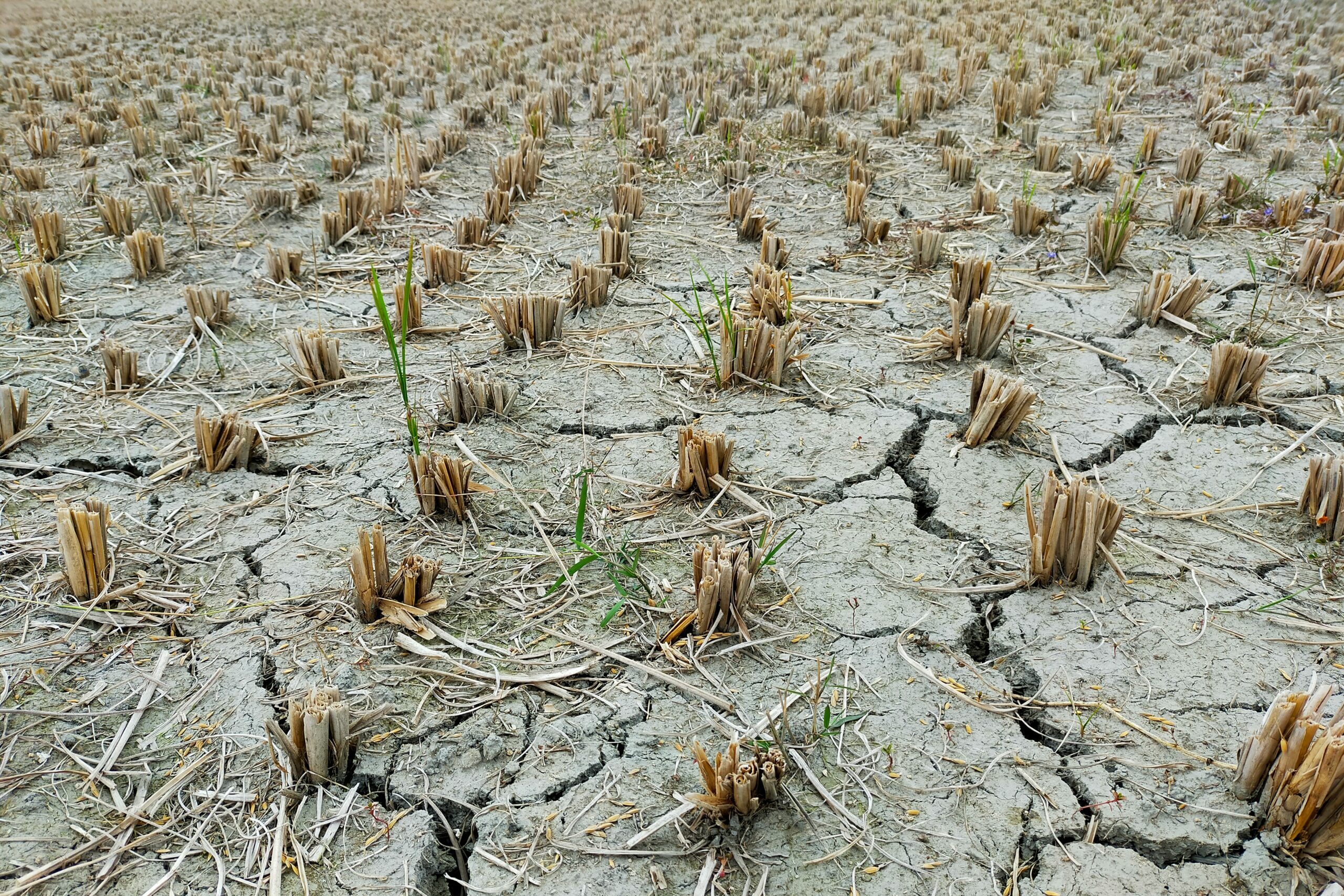
Many farmers are at breaking point amid the onslaught of drought, bluetongue disease, high input costs and rock-bottom commodity prices. With current cash flow strain, the government should take seriously the farming organisations’ joint call for an interest-free loan scheme if next year’s food is to be produced and production capacity preserved. But it should then go further, according to the Central Association for Agricultural Valuers (CAAV).
“Many parts of farming face serious problems of cash flow and liquidity as they look into the autumn,” says Jeremy Moody, secretary and adviser to the CAAV. “The NFU proposal for a Keep Britain Growing Loan offers a positive opening to the necessary debate for ways forward that are sufficient and effective. But a much larger package of reforms is required to answer the long-term problems that farmers are facing. The challenges we face are moving faster than policy is responding.”
Great change
Bluetongue is exhausting livestock farmers. And in the arable sector, across the past four years, high input prices, the weather impact on crops and low commodity values have taken a collective toll on business strength not seen since at least the late 1980s. That is likely to drive great change, he explains.
“The challenge is finding a financial margin worth having and the resilience for the business confronted with hard times. Is there a model that can produce profits with different varieties and crops, on less costly inputs and operations; perhaps finding more routes to market, but doing so at sufficient scale to service the business and make a return in a high-cost country?”
Farmers are adaptable and, with time, experimentation and reflection, new business patterns will emerge with the infrastructure to support them – whether that is in food production or alternative land use. “It is also for government policies to create the supportive policy framework for farm businesses to manage this process; not guiding but enabling, removing problems,” says Mr Moody. “This needs straightforward actions and language that can support and not hinder the average family farm.”
Managing risk
There may be much the UK can learn from Australia, providing for free-market farming but with policies that assist with investment, innovation and resilience to manage the wild swings of risk they know and we are coming to see, he adds.
And where food production is concerned, soil health is the key to resilience – alongside better collection and storage of water. Supporting farmers to do both would go a long way to helping farming survive in an increasingly extreme climate.
“With the breadth of our challenges, we need realism and clarity,” notes Mr Moody. “Defra should enable farmers to find roads to the future by proactively working with other departments on planning and capital allowances, giving freedom to act and invest. Farmers’ ability to adapt could be badly hampered if the current discussions with the EU hand over control of the food chain to Brussels regulations – just when we need to be innovative and flexible, not bound in red tape not written for us.”
- For more information visit www.caav.org.uk.